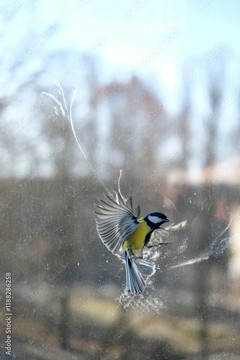
That sudden thud against the glass is unmistakable, and it can stop you in your tracks. When a bird hits your window, the first reaction is often concern for the animal, followed quickly by a worry about the glass itself. Both reactions are valid, and knowing how to respond calmly makes a real difference for the bird and for your home. As a company that has supplied quality window products for years, we hear from homeowners who want to understand why collisions happen and what they can do about them.
Window strikes are far more common than most people realize. Birds do not perceive glass the way we do. They see reflections of sky, trees, or open space and fly straight toward what looks like a clear path. Understanding the science behind these collisions helps you respond in the moment and take steps to prevent the next one.
First Steps When a Bird Hits Your Window
If a bird hits your window and falls to the ground, resist the urge to rush over and scoop it up immediately. Many birds are simply stunned and need a few quiet minutes to recover. Approach slowly and observe from a short distance. If the bird is sitting upright, blinking, and gripping with its feet, it may fly off on its own once the shock wears off.
When the bird is clearly injured, unable to stand, or remains motionless for an extended period, you can gently help. Use a towel or gloves to place it in a small ventilated box with a soft cloth on the bottom. Keep the box in a warm, dark, quiet location away from pets and children. Do not offer food or water, since a stressed bird can aspirate liquid. Give it roughly an hour of calm, then take the box outside and open it. If the bird is ready, it will fly away. If it still cannot fly, contacting a licensed wildlife rehabilitator in your community is the responsible next step.
Why Do Birds Fly Into Windows?
The core issue is that glass reflects the outdoor environment. On a bright day, a window can mirror the sky and nearby foliage so convincingly that a bird perceives it as a continuation of open air. In other cases, birds see through a home to plants or windows on the opposite side and try to fly through what looks like a tunnel of greenery.
Lighting plays a role too. Interior lights at night can disorient migrating birds, and large expanses of glass are more likely to create confusing reflections. Feeders placed too close to the house can also increase the odds that a bird hits your window, since birds take off quickly and may not have time to adjust course. None of this means your windows are defective. It simply reflects how birds interpret their surroundings.
Checking Your Window for Damage
Once the bird is cared for, turn your attention to the glass. Most single strikes leave nothing more than a faint smudge or a dusty outline where the feathers brushed the surface. Larger birds or repeated impacts, however, can occasionally cause chips, cracks, or stress on the seal around the pane.
Inspect the window in good light from both inside and outside. Look for hairline cracks radiating from a central point, cloudiness between double panes that signals a broken seal, or any loosening of the frame. A compromised seal can let moisture in and reduce the insulating performance you count on, especially through cold Wisconsin winters. If you notice fogging or condensation trapped between the panes, that is a sign the unit may need to be replaced. For homeowners weighing a repair against an upgrade, our FAQs page answers many common questions about window performance and durability.
How to Prevent Future Collisions
The good news is that reducing window strikes does not require major renovations. Small, thoughtful changes break up the reflection that confuses birds and make the glass visible as a solid surface. A few of the most effective approaches include:
- Apply decals, patterned films, or specialized tape to the exterior glass, spacing markers close together so birds recognize a barrier.
- Install screens, netting, or exterior shades that soften reflections and cushion any contact.
- Move bird feeders either very close to the window or well away from it, which changes flight speed and angle near the glass.
- Close interior blinds or curtains during peak reflection hours and reduce nighttime lighting during migration seasons.
These adjustments work with virtually any window style, from a large picture pane to smaller units. Homeowners who are updating their glass altogether sometimes choose designs that fit how they use each room. For instance, basement and utility spaces often benefit from compact, durable options like our basement windows, which combine practical sizing with solid construction.
When a Strike Signals It Is Time to Upgrade
A bird collision occasionally becomes the moment a homeowner realizes their windows are overdue for attention. Older single-pane glass, worn frames, or units with failing seals do not perform the way modern windows do, and an impact can expose weaknesses that were already there. If your window shows damage after a strike, or if you have been noticing drafts and rising energy bills, replacement may be the smarter long-term choice.
Modern windows are built to balance clarity, strength, and energy efficiency. Many homeowners across the country appreciate the low maintenance and lasting value of quality PVC gliding windows which hold up well against weather, moisture, and everyday wear. When you are ready to compare styles, whether you prefer the classic function of single hung designs or something with a wider view, our product pages walk through the options so you can match the right window to each room.
Caring for Birds and Your Home Together
Dealing with the moment when a bird hits your window comes down to a few calm, practical steps. Give the bird space and time to recover, offer gentle assistance only if it is clearly injured, and reach out to a wildlife rehabilitator when the situation calls for professional care. Once the bird is handled, a quick inspection of your glass confirms whether the strike caused any real damage or simply left a smudge to wipe away.
Preventing future collisions protects both the wildlife around your home and the integrity of your windows. Simple visual markers, thoughtful feeder placement, and smart lighting choices go a long way. And if a strike reveals that your glass is aging or no longer sealing properly, upgrading can improve comfort, efficiency, and peace of mind for years to come.
Whether you serve a backyard full of songbirds in Marathon or you are weighing a window replacement somewhere else entirely, we are glad to help. Reach out through our contact page with questions about damage, replacement options, or finding the right fit for your home and nearby communities.