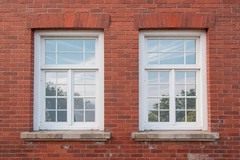
Brick homes have a permanence that few other building styles can match, but that same solid construction changes the rules when it comes time for new windows. If you plan to replace windows in a brick house, you are working with a structure that behaves very differently from a home clad in vinyl or wood siding. The masonry does not flex, the openings are framed in unique ways, and the sealing details matter more than most homeowners expect. Before you shop for windows online., it helps to understand what sets brick projects apart so you can plan for a smooth, lasting result.
At American Window Prod. (Tafco) in Marathon, WI, we talk with homeowners across the country who love their brick exteriors but worry about disturbing them. The good news is that these projects are entirely manageable with the right approach. Knowing the differences ahead of time saves money, prevents surprises, and protects the character of your home.
Why Brick Changes the Whole Approach
The biggest reason it is different to replace windows in a brick house comes down to how the wall is built. Behind the visible brick is usually a wood or block backing wall, and the window is anchored into that structure rather than into the brick itself. The brick acts as a veneer or a load-bearing element, and cutting or removing it is far more involved than pulling off a strip of siding. That means the goal is almost always to work within the existing opening rather than to enlarge or reshape it.
Because masonry cannot be nailed through the way sheathing can, installers rely on the interior framing and careful shimming to hold the new unit square and plumb. Brick also tends to shift slightly over decades, so openings are rarely perfectly true. Measuring accurately and accounting for these small irregularities is a critical first step, and it is one reason precise field measurements matter so much on brick homes.
Full-Frame Versus Insert Replacements
Homeowners generally choose between two methods, and the choice affects cost, disruption, and the finished look. An insert or pocket replacement fits a new window inside the existing frame, leaving the surrounding brick and trim untouched. This is the least invasive option and keeps the project clean, which appeals to owners who want to preserve original details. The trade-off is a slightly smaller glass area since the new unit sits within the old frame.
A full-frame replacement removes the entire old window down to the rough opening. This is the better route when the existing frame is rotted, out of square, or when you want to maximize the viewable glass. It requires more careful work around the brick edges and more attention to resealing, but it gives you a fresh start and often a better long-term seal. For many brick homes, the condition of the old wood frame is what decides the method.
Sealing and Flashing Around Masonry
Water management is where brick projects demand the most care. Brick is porous, and moisture can travel through it, so the flashing and sealing details around each opening protect both the window and the wall behind it. A gap between the window and the masonry that is not properly sealed becomes an entry point for water, drafts, and eventually rot in the backing structure.
Quality installations use backer rod and a flexible, exterior-grade sealant rated for masonry, applied in a way that allows for the natural expansion and contraction of both materials. Interior sealing and insulation around the perimeter matter just as much for energy efficiency. When you replace windows in a brick house, do not treat the sealing step as an afterthought, because it is often the difference between a window that performs for decades and one that causes problems within a few years.
Choosing the Right Window Style
Brick openings frequently have distinct proportions, and the window style you select should complement both the opening and the architecture. Many older brick homes were built with tall, narrow openings that suit certain styles better than others. Double and single hung units are a natural fit for traditional brick facades, and you can learn more about single hung windows if you are aiming for a classic look with easy operation.
Other homeowners prefer the wide views of gliding units or the crisp lines of fixed glass in spots that do not need to open. Casement and other hinged styles offer excellent ventilation and a tight seal when closed, which pairs well with the energy focus that brick homes reward. It is worth exploring hinged window options before you commit, since the right style choice affects both curb appeal and comfort. Whatever you choose, matching the sightlines to the surrounding brick keeps the finished project looking intentional rather than patched together.
Common Questions Before You Start
A few points come up again and again from homeowners preparing for this kind of project. Keeping them in mind helps you plan realistically and avoid the surprises that derail a timeline.
- Will the brick be damaged? With insert replacements the brick stays in place, and even full-frame jobs usually leave the veneer intact when handled carefully.
- Can the opening size change? Enlarging a brick opening is possible but involves masonry work, so most projects keep the existing size.
- How long does it take? Individual openings often go quickly once measurements and materials are confirmed, though weather and access affect the pace.
- What about older, non-standard sizes? Brick homes commonly have unique dimensions, which is why accurate measuring and made-to-fit units are so valuable.
If you have more detailed questions about ordering, sizing, or delivery, our FAQ page covers many of the specifics homeowners ask about most.
Planning for a Lasting Result
Success on a brick project starts long before installation day. Accurate measurements, the right replacement method for your home's condition, and a clear plan for sealing the masonry all set the stage for windows that look right and perform well. Taking time to select styles that suit your openings, whether that means classic hung units, wide gliders, or dependable sash windows built for older frames, ensures the finished product feels like it belongs to the house rather than something forced into place.
When you are ready to replace windows in a brick house, remember that the masonry is an asset worth protecting, not an obstacle. Homeowners in Marathon, WI and neighboring communities have found that a thoughtful, measured approach delivers results that hold up for years. We are always glad to help you weigh your options and find windows suited to your home's construction, so reach out through our contact page whenever you want guidance on sizing, styles, or getting started.