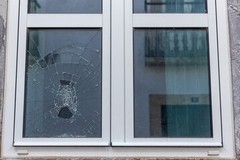
A cracked pane or shattered glass can happen in an instant, whether from a stray baseball, a slammed door, a storm, or the simple wear that comes with age. When it does, you are left with an opening that lets in cold air, rain, insects, and even unwanted visitors. Knowing how to cover a broken house window quickly can save you from bigger headaches while you wait for a permanent fix. At American Window, a trusted source for window products, we hear from homeowners in this exact situation all the time.
The good news is that a temporary cover is easier to put together than you might think, and most of the materials are already in your garage or available at any hardware store. This guide walks you through the safest and most effective ways to protect your home until repairs or a replacement are complete.
Start by Making the Area Safe
Before you think about how to cover a broken house window, deal with the broken glass itself. Shards can be sharp and easy to overlook, so put on a pair of thick work gloves and safety glasses before you touch anything. Carefully remove any loose or hanging pieces still lodged in the frame, working from the top down so falling glass does not surprise you.
Lay an old towel or drop cloth beneath the window to catch small fragments, then sweep or vacuum the surrounding area thoroughly. Keep children and pets out of the room until you are confident the space is clear. If the break is large or the glass is under tension, resist the urge to force it out, since that can send pieces flying. Once the frame is clean and the glass is safely bagged and discarded, you are ready to seal the opening.
Best Materials to Cover a Broken House Window
Not every temporary fix is created equal. The right choice depends on the size of the opening, the weather, and how long you expect to wait for repairs. Here are the most reliable options homeowners rely on:
- Heavy-duty plastic sheeting: Clear polyethylene lets in light while blocking wind and rain. It is inexpensive and works well for larger openings.
- Plywood: A cut piece of exterior-grade plywood offers the strongest protection against weather and intrusion, ideal for ground-floor windows or extended waits.
- Cardboard: A short-term stopgap for small breaks and dry conditions, though it will not hold up to moisture.
- A trash bag: In a pinch, a thick contractor-grade bag cut flat can seal a small opening until you find something sturdier.
Whatever you choose, the goal is to create a barrier that stays put, keeps the elements out, and holds until a professional repair or replacement is in place. Plastic and plywood together often give the best of both worlds: plywood for structure, plastic for an added moisture seal.
How to Secure the Cover Properly
A cover only helps if it stays attached. For plastic sheeting, cut the material several inches larger than the opening on every side so you have room to fasten it. Waterproof or duct tape works on a clean, dry frame, but exterior surfaces are often too rough or damp for tape to grip well. In those cases, staples or thin wood strips screwed over the edges will hold the plastic far more securely.
When you cover a broken house window with plywood, measure the opening and cut the board to overlap the frame by an inch or two. Secure it with screws driven into the surrounding sash or trim rather than nails, since screws grip tighter and are easier to remove later without further damage. Apply the cover from the outside whenever possible so wind and rain push against the wall rather than into your home. Seal any gaps around the edges with tape or weatherstripping to keep drafts and moisture from sneaking through.
Protecting Against Weather and Intruders
A broken window is more than an inconvenience. It is a weak point in your home's defense. If the break happens during a storm or cold snap, a flimsy cover can fail quickly, so lean toward plywood for anything exposed to strong wind or heavy rain. Double up on sheeting if plywood is not available, taping the layers separately for a tighter seal.
Security matters too, especially for windows on the first floor or near doors. Plywood screwed firmly into the frame is far harder to breach than plastic and gives peace of mind if you need to leave the house before repairs are done. For added protection, close and lock any interior blinds or shutters, and consider leaving a light on in the room to discourage anyone from testing the opening. These small steps buy you time to arrange a proper fix without leaving your home vulnerable.
When to Repair Versus Replace
Once your home is sealed and safe, the next decision is whether to repair the existing window or replace it entirely. A small chip or a single cracked pane in an otherwise solid unit can often be repaired. But if the frame is warped, the seal has failed, or the window is old and drafty, replacement is usually the smarter long-term investment. Newer windows improve energy efficiency, reduce outside noise, and often pay for themselves through lower heating and cooling costs over time.
The style of window you choose matters as well. Some homeowners take the opportunity to upgrade, whether to easy-to-clean single hung windows or smooth-operating gliding windows that suit modern spaces. If you are unsure what will fit your opening or your budget, our team can walk you through the options and help you find the right match for your home in Marathon, WI and the surrounding areas.
Getting Back to Normal
Covering a broken window is a temporary measure, not a permanent solution, so treat it as the first step rather than the last. Clear the glass safely, choose a cover that matches your weather and security needs, and fasten it firmly so it holds until your repair or replacement is scheduled. A little care up front keeps rain, cold, pests, and intruders out while you sort out the details.
When you are ready for a lasting fix, quality replacement matters. From dependable basement units to durable hinged windows, having the right product on hand makes the repair go smoothly and lasts for years. Whether you are handling this yourself or comparing options for the future, knowing how to cover a broken house window buys you the time to make a confident choice.
If you have questions about sizing, styles, or shipping to your area, reach out to our team through our contact page. We are glad to help homeowners across the country protect their homes and find the right window for the job, no matter where the next storm or stray baseball strikes.