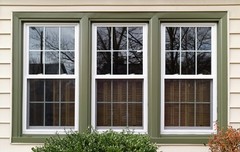
Vinyl has quietly become one of the most popular window materials in American homes, and for good reason. When homeowners start shopping for replacements and ask us whether vinyl is the right choice, the honest answer is almost always nuanced. So, are vinyl windows good? In most situations, yes, but the full picture depends on your climate, your budget, and what you want your windows to do for your home. At American Window Prod. (Tafco), we help people compare their options every day, and you can even browse windows online to see how different styles and materials stack up.
Before you commit to any window project, it helps to understand what vinyl actually is and how it behaves over the years. Vinyl windows are made primarily from PVC, a rigid plastic that holds its shape well and resists moisture. That foundation is what gives vinyl its reputation for low maintenance and solid performance. But like any building material, it comes with trade-offs worth knowing about.
What Makes Vinyl Windows So Popular?
The short version of why so many homeowners choose vinyl comes down to value. Pound for pound, vinyl typically delivers strong energy efficiency and durability without the higher cost that comes with materials like wood or fiberglass. For families watching their budget while still wanting a quality upgrade, that balance is hard to beat.
Beyond price, vinyl earns loyalty because it asks so little of you after installation. You never have to paint it, stain it, or seal it. A quick wipe with soap and water keeps the frames looking fresh. In regions with long winters and humid summers, that resistance to rot, peeling, and warping pays off year after year. Across the U.S. and neighboring communities, we see vinyl holding up beautifully in homes that face everything from heavy snow to coastal humidity.
The Real Benefits of Vinyl Windows
When people ask us if vinyl is worth it, we point to a handful of advantages that consistently matter to homeowners. The material tends to insulate well, especially when the frames are built with internal chambers that trap air and slow heat transfer. Paired with quality glass, that can translate into a more comfortable home and steadier energy bills.
Here are the benefits that tend to stand out most:
- Low maintenance, since there is no painting, staining, or sealing required over the life of the window.
- Strong energy efficiency, thanks to insulating frame construction and compatibility with modern glass packages.
- Moisture resistance, which helps vinyl avoid the rot and swelling that can affect wood frames.
- Affordability, making it a practical choice for whole-home replacement projects.
- Variety, with many styles available including single hung, gliding, hinged, and basement configurations.
That range of styles is one reason vinyl works in so many homes. Whether you need a classic single hung window for a bedroom or a smooth-operating option for a kitchen over the sink, vinyl adapts to the space. The flexibility lets you keep a consistent look throughout the house without juggling multiple materials.
The Drawbacks You Should Weigh
No material is perfect, and being upfront about the limitations helps you make a confident decision. The most common critique of vinyl is appearance. While today's vinyl comes in a wider range of colors and finishes than it used to, it does not offer the same richness or paintability as real wood. If you own a historic home and want period-accurate detail, wood or clad options may suit you better.
Vinyl also expands and contracts with temperature swings more than some other materials. Quality manufacturing and proper installation minimize this, but it is a reason to avoid bargain-bin windows that cut corners on construction. Color choices can be more limited on darker shades too, because very dark frames absorb heat and can be prone to distortion if they are not engineered for it.
Finally, while vinyl is durable, it generally cannot be refinished. If a wood window gets scratched or faded, you can sand and repaint it. With vinyl, the color is part of the material, so a damaged frame is usually replaced rather than repaired. For most homeowners this is a minor concern given how long quality vinyl lasts, but it is worth understanding before you buy.
Are Vinyl Windows Good for Every Room?
One of the strengths of vinyl is how versatile it is from room to room. Living areas and bedrooms benefit from the clean sightlines and energy savings, while bathrooms and kitchens appreciate the moisture resistance. So when someone asks us whether are vinyl windows good for high-humidity spaces, we feel comfortable saying they are often an excellent match precisely because they shrug off dampness.
Basements deserve special mention. These spaces tend to collect moisture and need durable, easy-to-clean frames that hold up to tough conditions. Vinyl checks those boxes well, which is why it is a go-to for lower-level openings. If you are upgrading a lower level, our basement window options show how vinyl performs in demanding settings. We ship basement windows and surrounding areas, so homeowners across many regions can find a fit for their foundation openings.
How Vinyl Compares to Other Materials
Putting vinyl side by side with the alternatives clarifies where it shines. Wood offers unmatched beauty and can be refinished, but it demands regular upkeep and carries a higher price. Aluminum is strong and slim but conducts heat and cold, which hurts efficiency. Fiberglass performs exceptionally well and resists expansion, yet it usually costs more than vinyl.
Against that backdrop, vinyl occupies a sweet spot. It delivers much of the efficiency and durability people want at a price that keeps whole-home projects realistic. For a majority of homeowners who prioritize comfort, low upkeep, and value, that combination answers the question of whether are vinyl windows good with a confident yes. The homeowners who lean toward other materials typically have specific aesthetic goals or very particular performance needs.
What to Expect From Your Vinyl Window Project
Setting the right expectations makes any window project smoother. Quality vinyl windows, installed correctly, should serve your home for decades with little more than occasional cleaning. You can expect improved comfort near the windows, less drafting, and frames that keep their look without repainting. Proper installation matters just as much as the window itself, since even the best product underperforms if it is not sealed and fitted properly.
When you are comparing choices, think about more than the frame material alone. Glass packages, hardware, and the style of window all influence performance and appearance. If you still find yourself wondering are vinyl windows good enough for your particular home, reviewing our frequently asked questions can help clear up the details before you decide.
The bottom line is that vinyl earns its popularity. It balances efficiency, durability, low maintenance, and affordability in a way few other materials match, which is why it remains a favorite for homeowners across the country. If you want help choosing the right style and configuration for your space, reach out to our team and we will walk you through the options so you can order with confidence.